Youth Sports
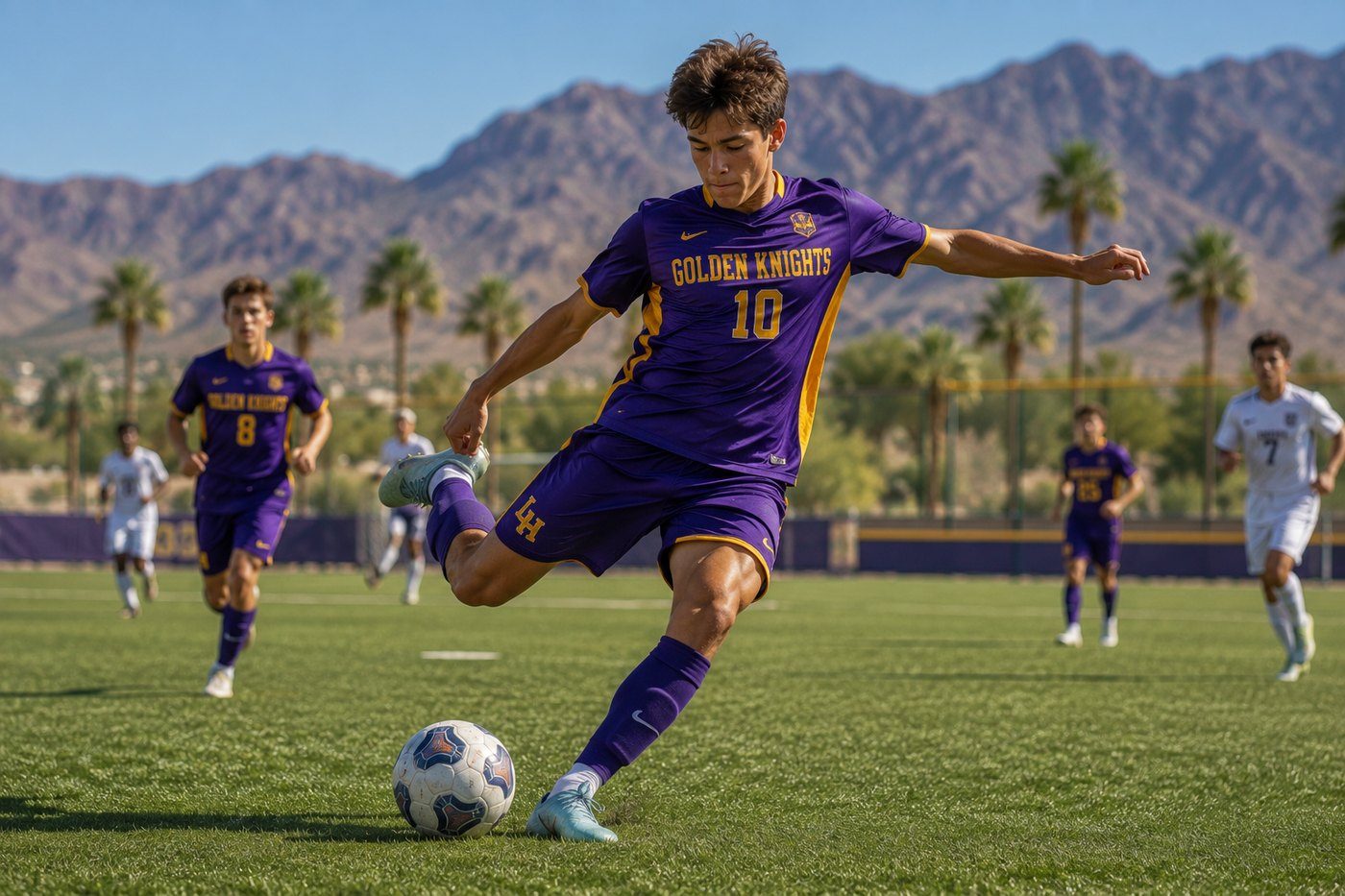
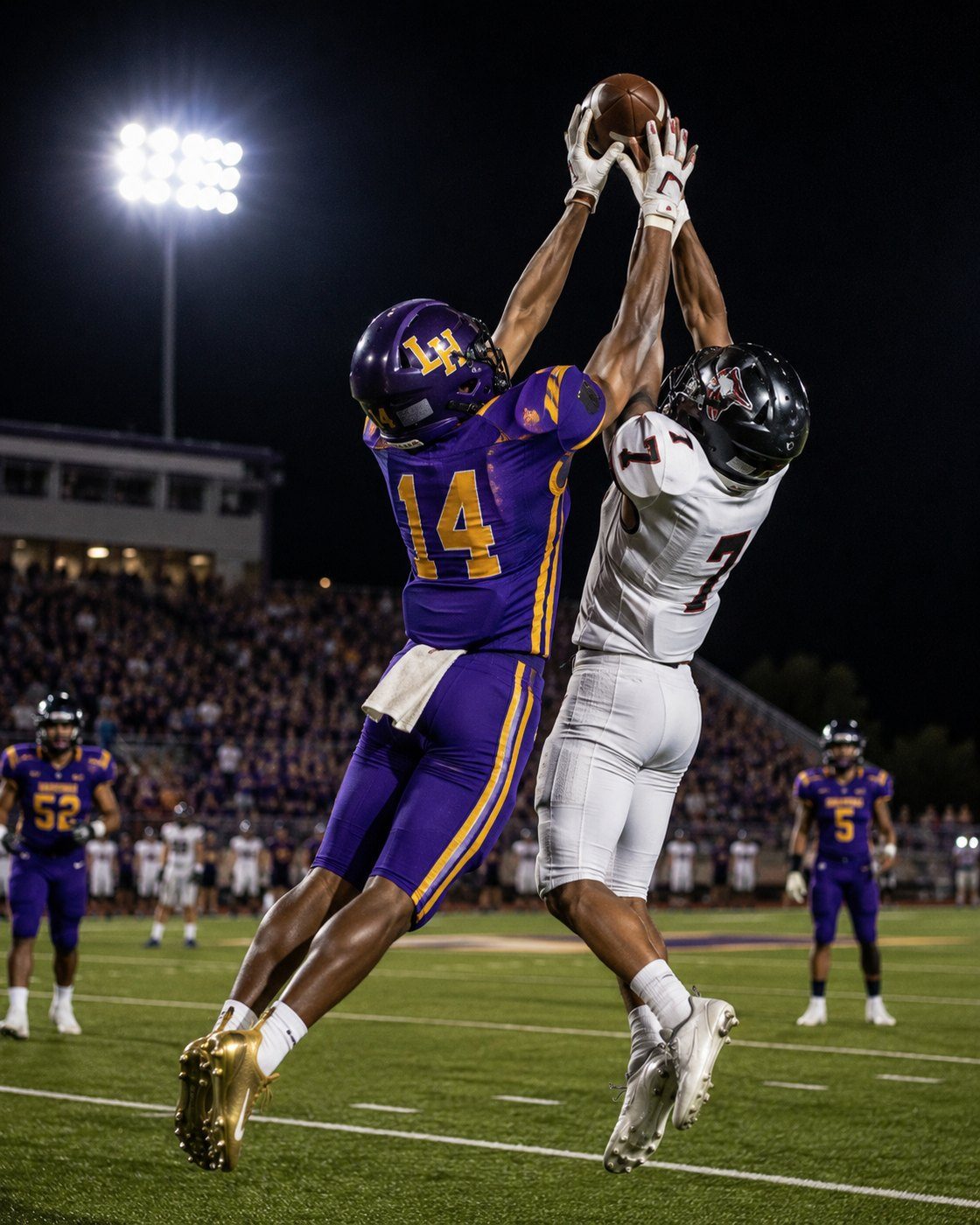
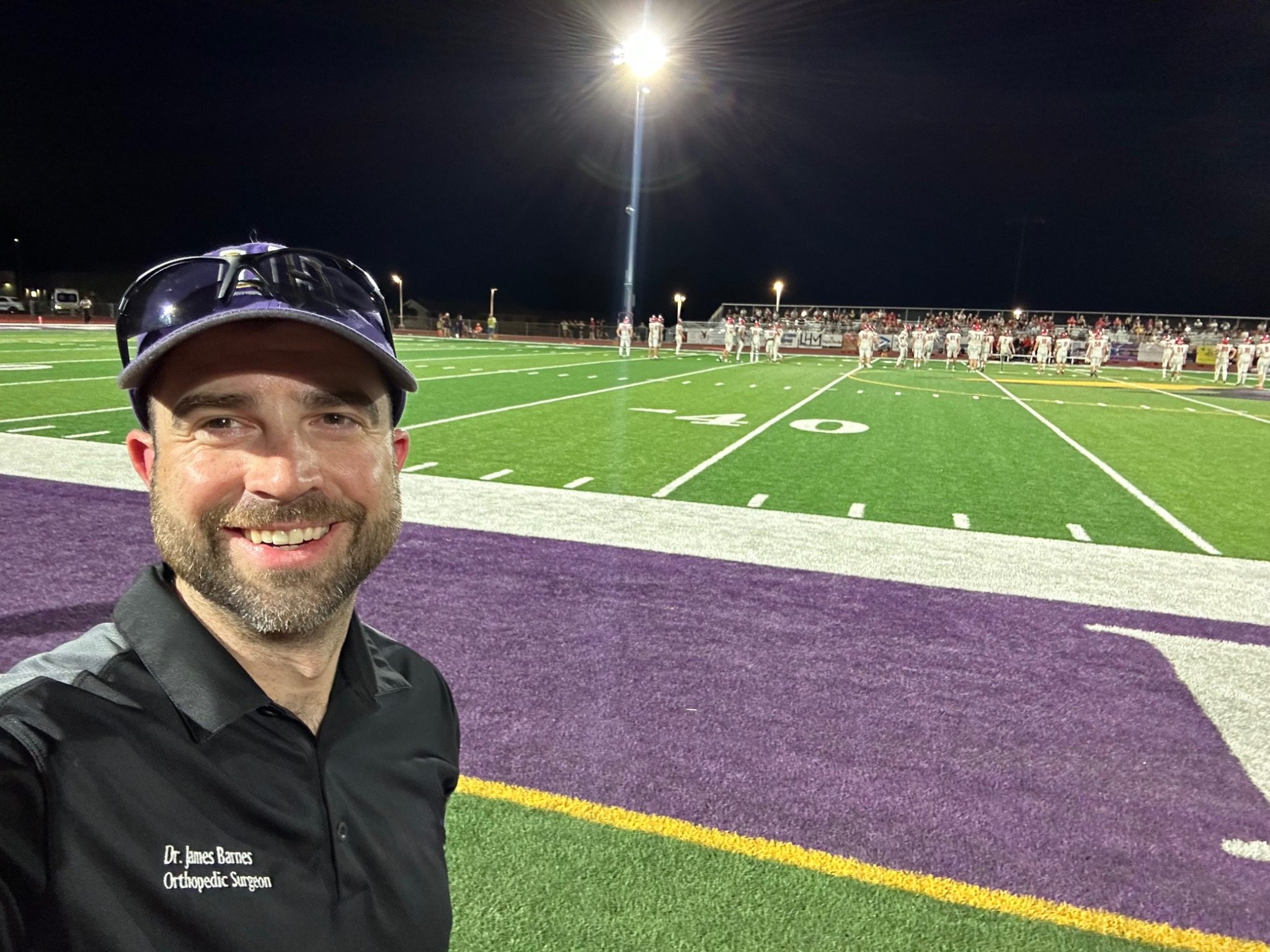
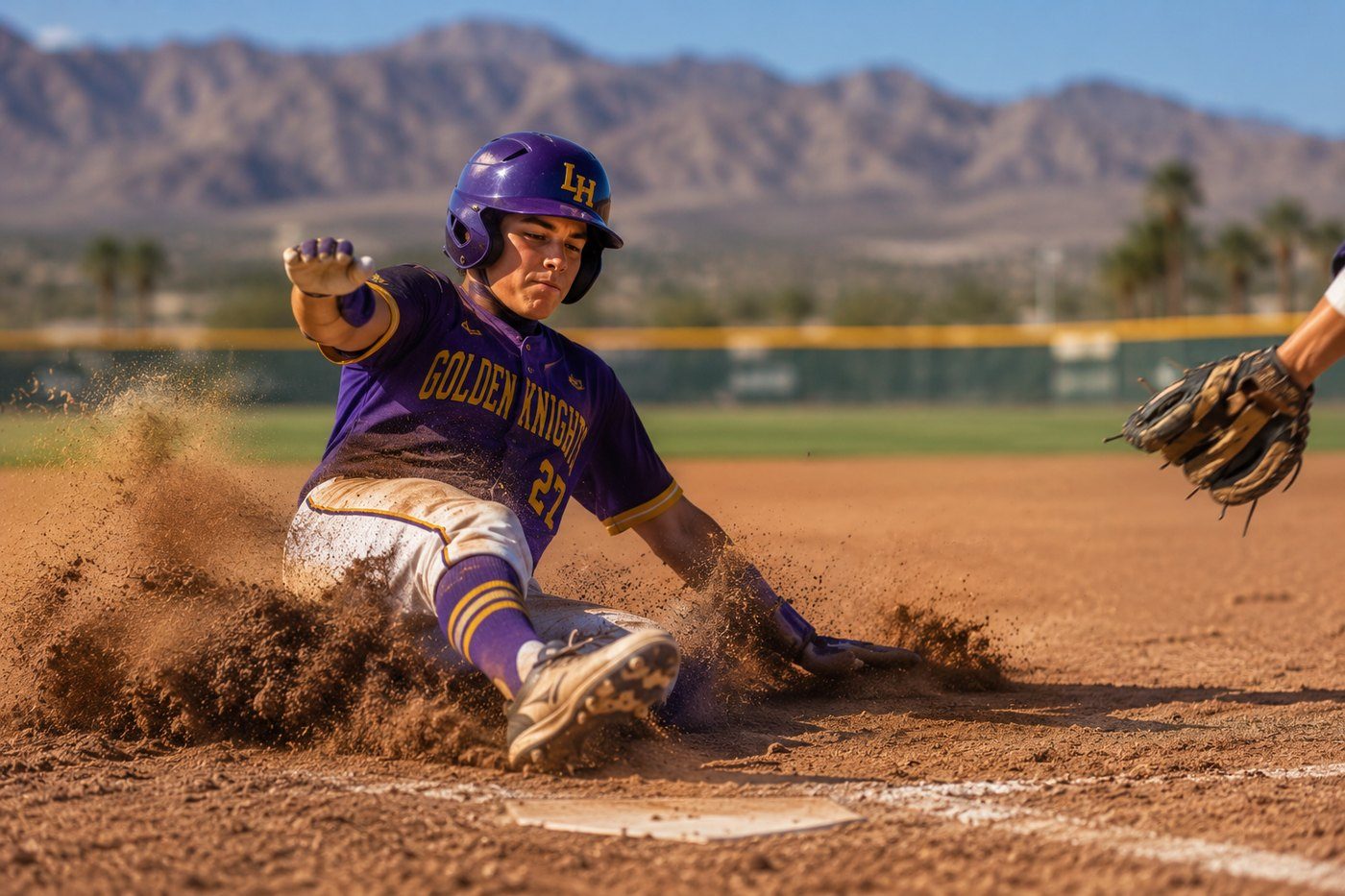
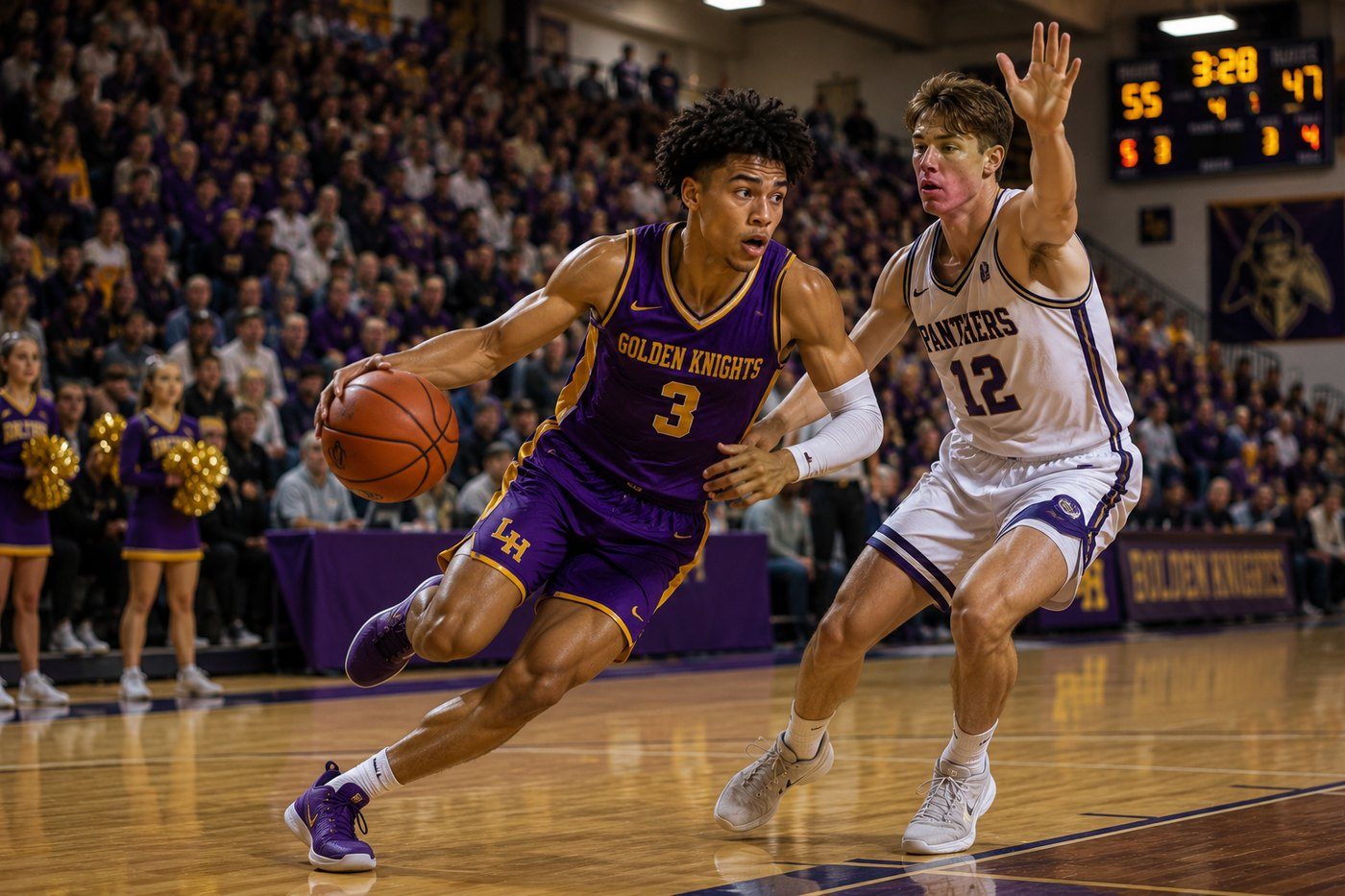
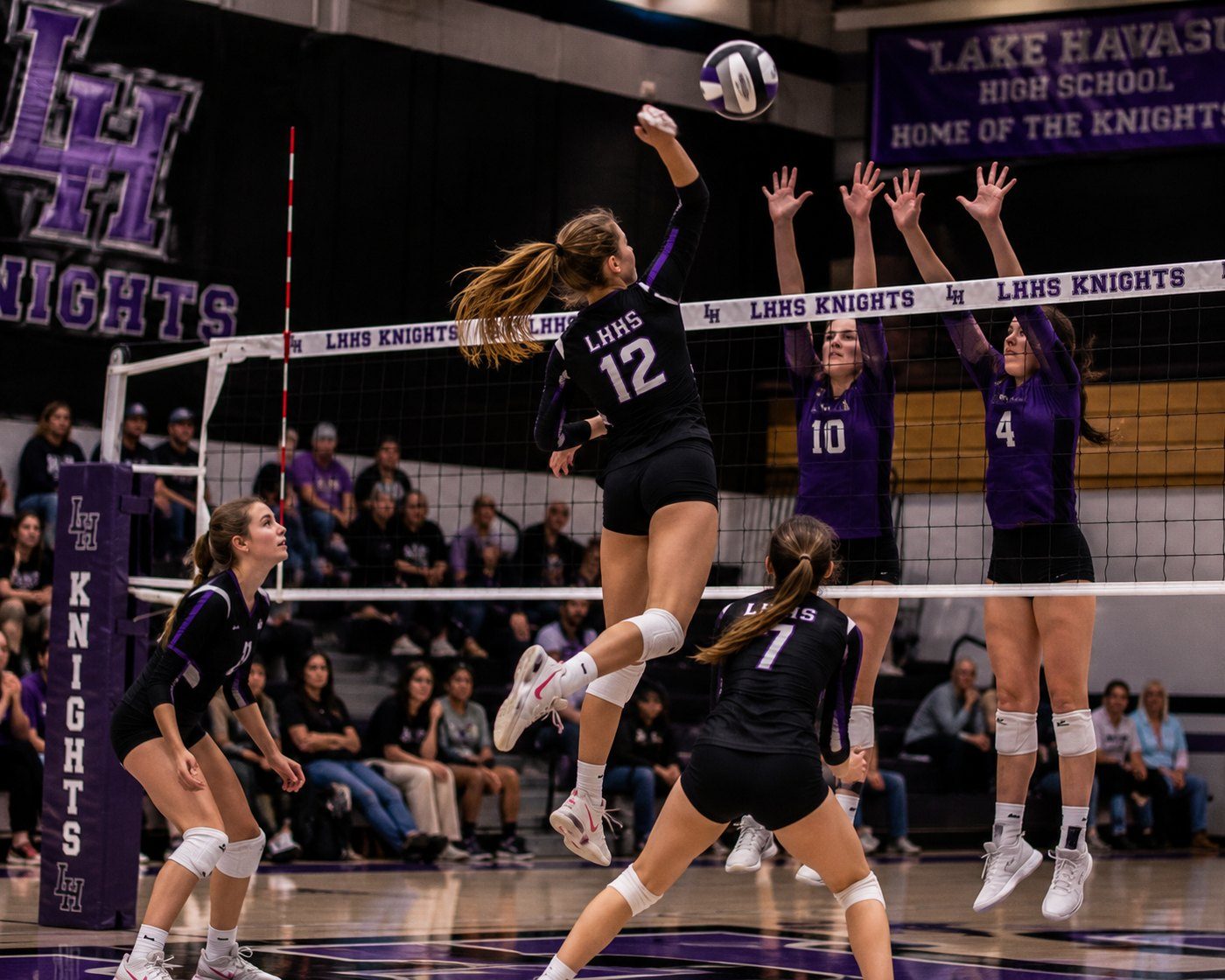
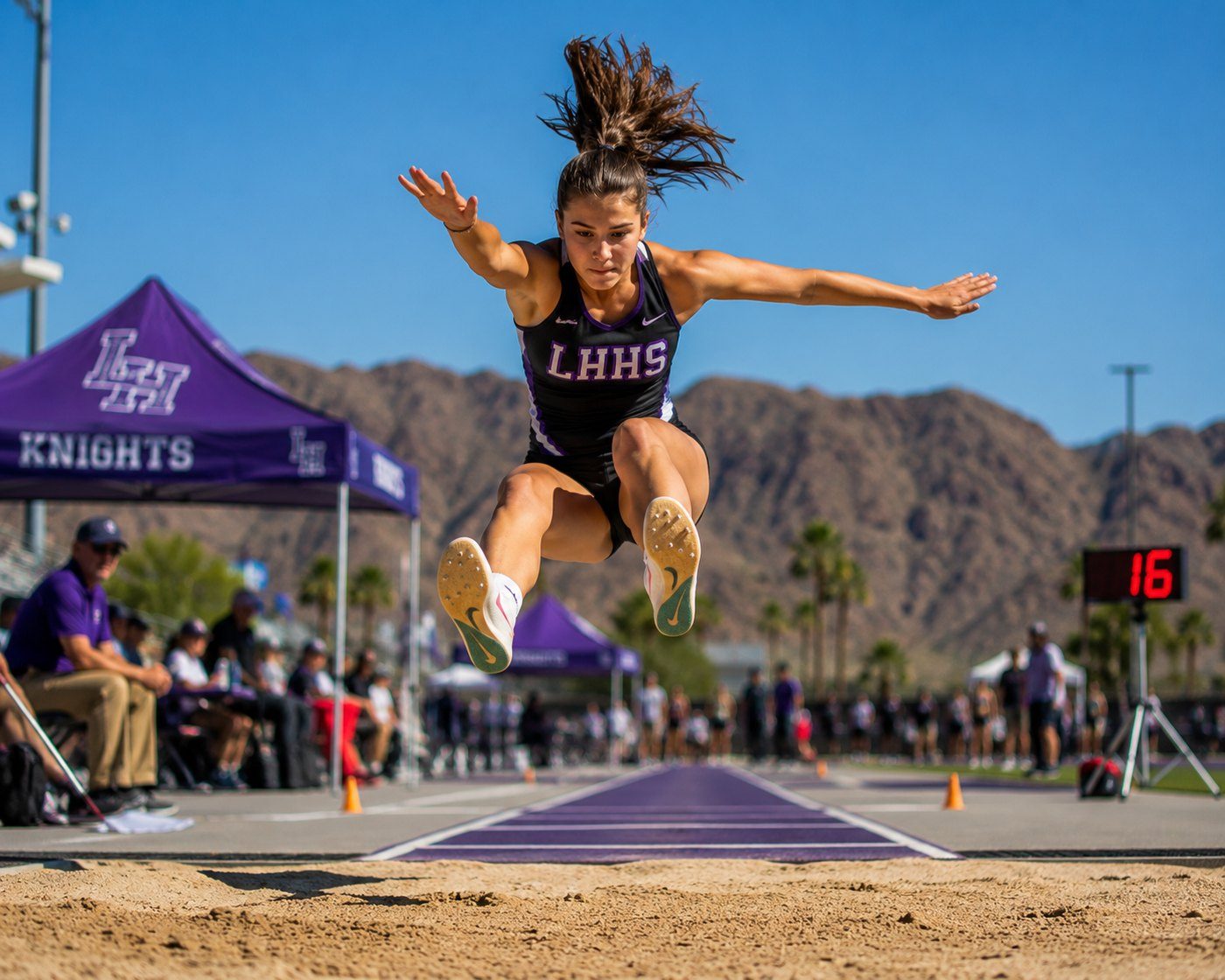
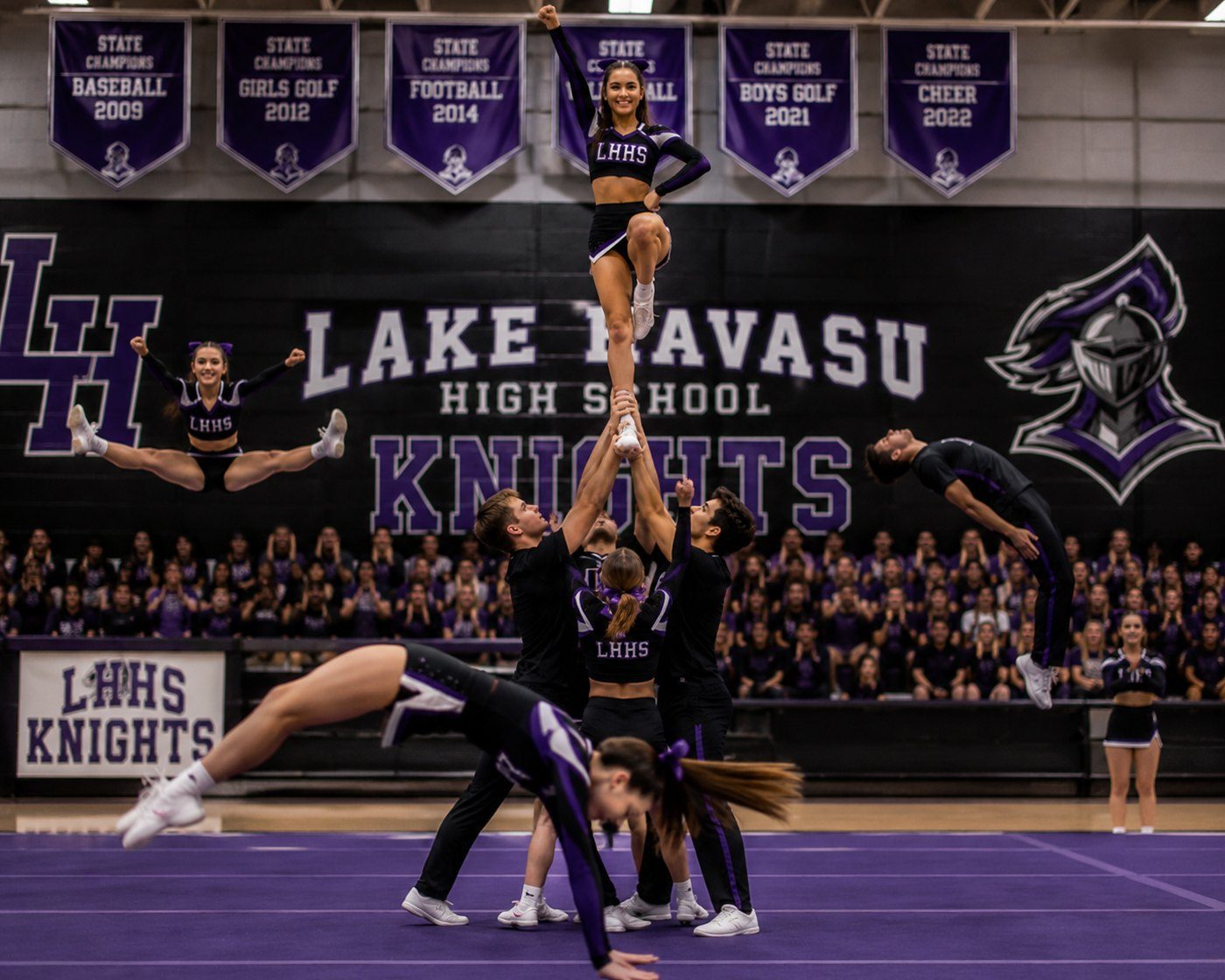
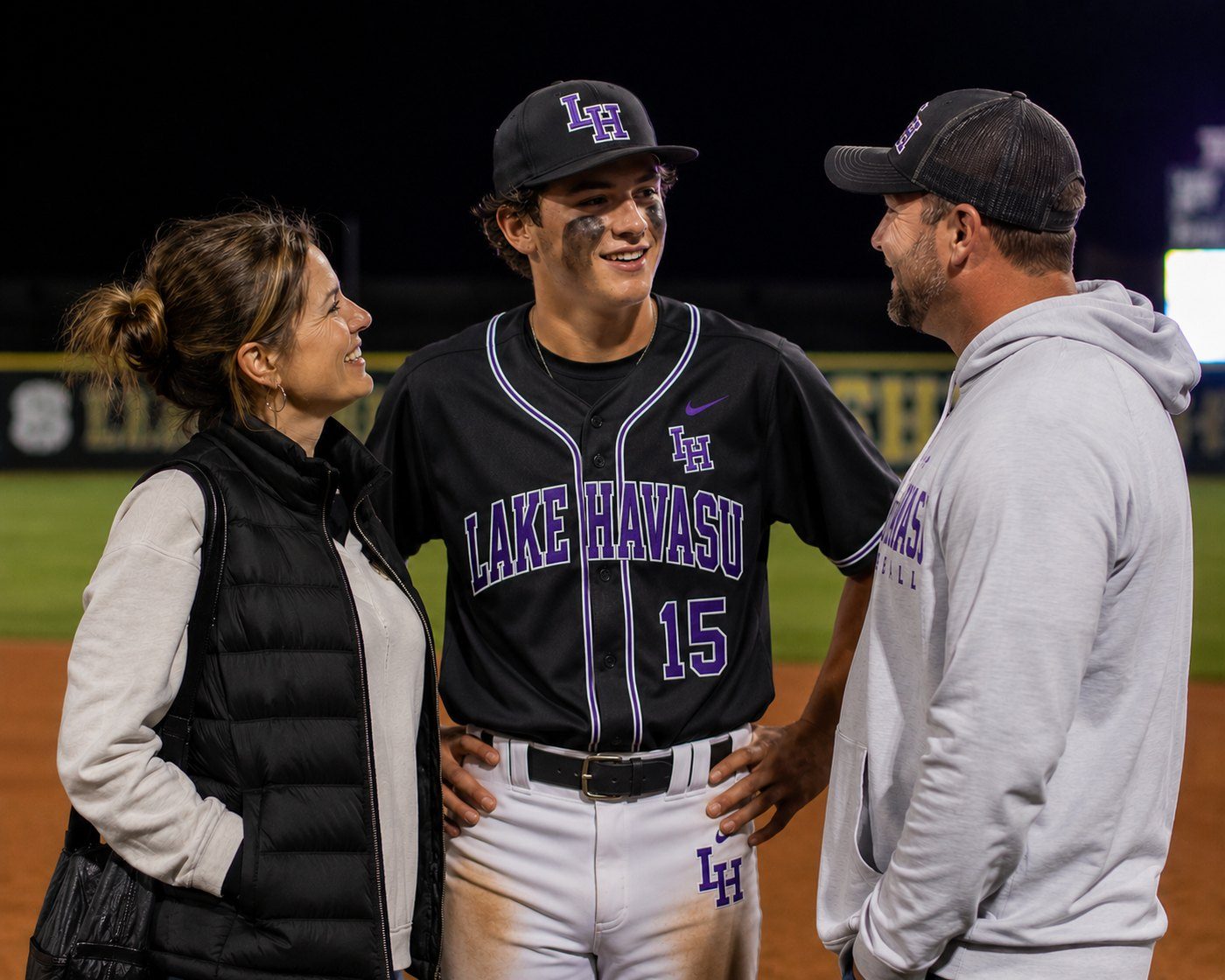
Care for school athletes, sideline injuries, parents who need answers and safe return-to-play decisions, including local Lake Havasu High School coverage.
ACLMeniscusLabrumAnkle sprains
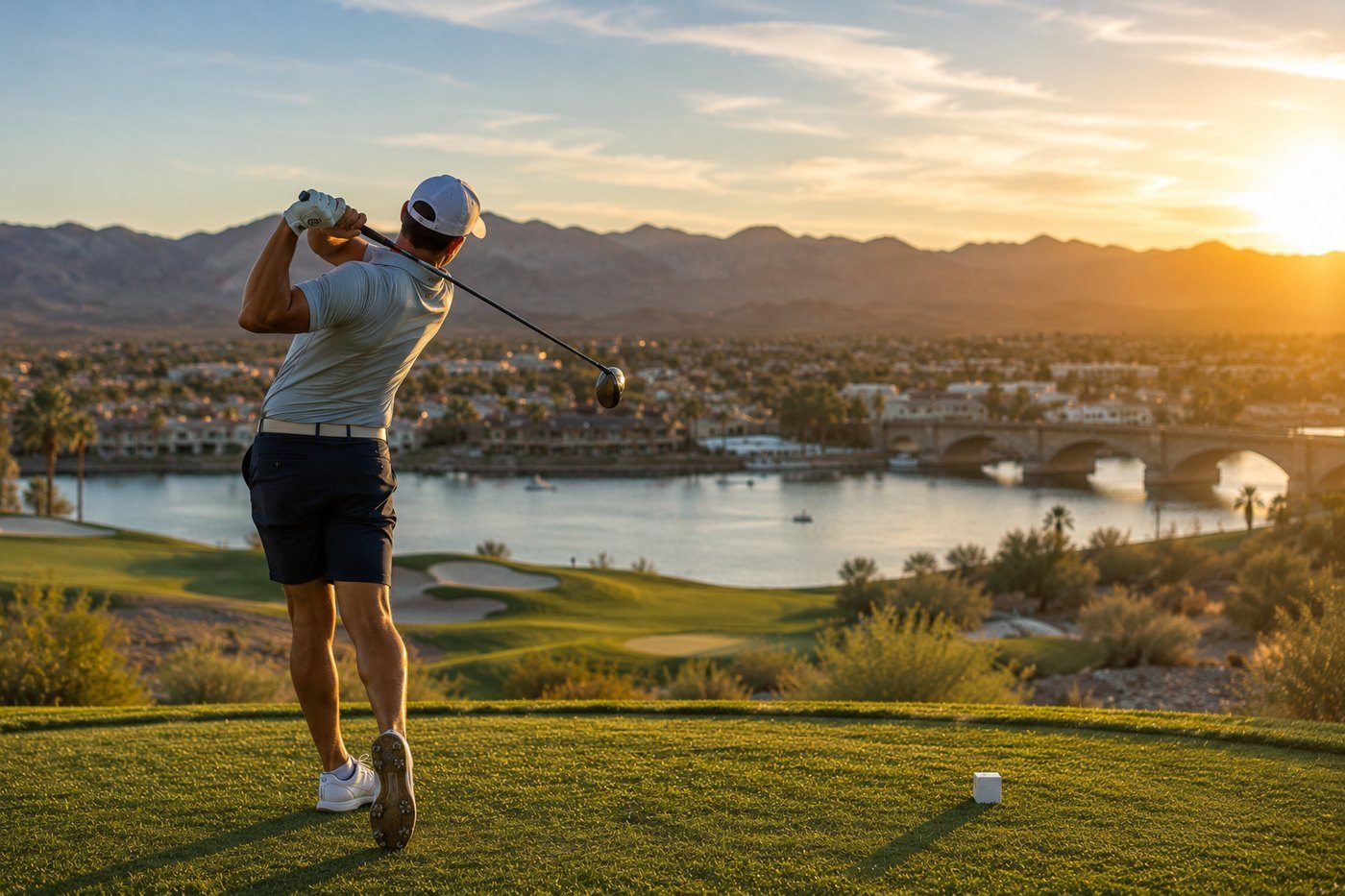
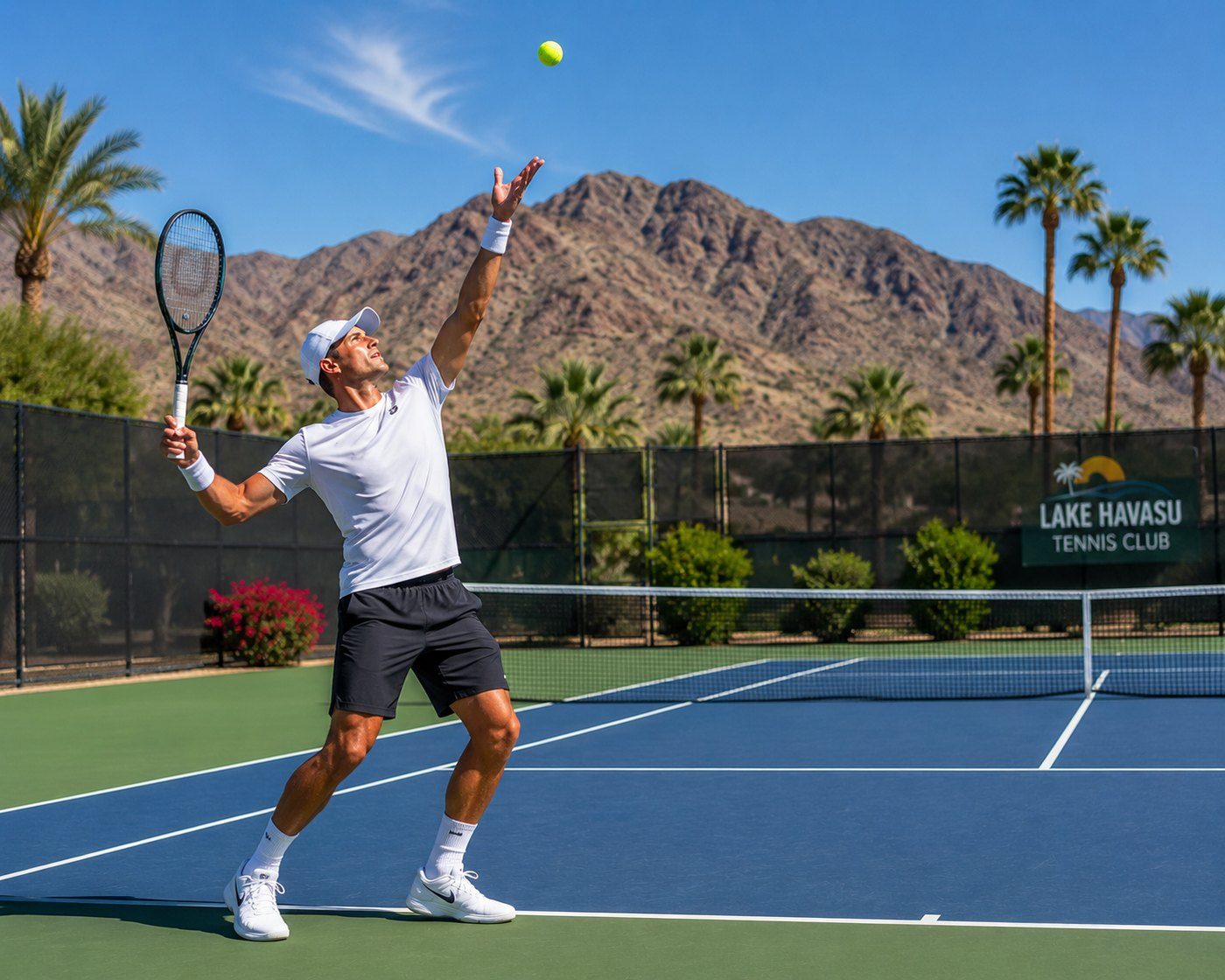
Focused Sports Medicine care for athletes, active adults, weekend warriors, watersports enthusiasts and desert adventurers who need a clear diagnosis, a practical treatment plan and a safe path back to movement.
Knee injuriesACL, meniscus, patellar tendonitis
💪Shoulder painRotator cuff, labrum, instability
Overuse painElbow, Achilles, biceps and wrist tendonitis
Return to activityRecovery plans for sport, work and life
Patients rarely start with medical terminology. They start with a problem: my knee hurts after pickleball, my shoulder slipped on the lake, my athlete twisted something, or I want to keep hiking, golfing, riding and training.
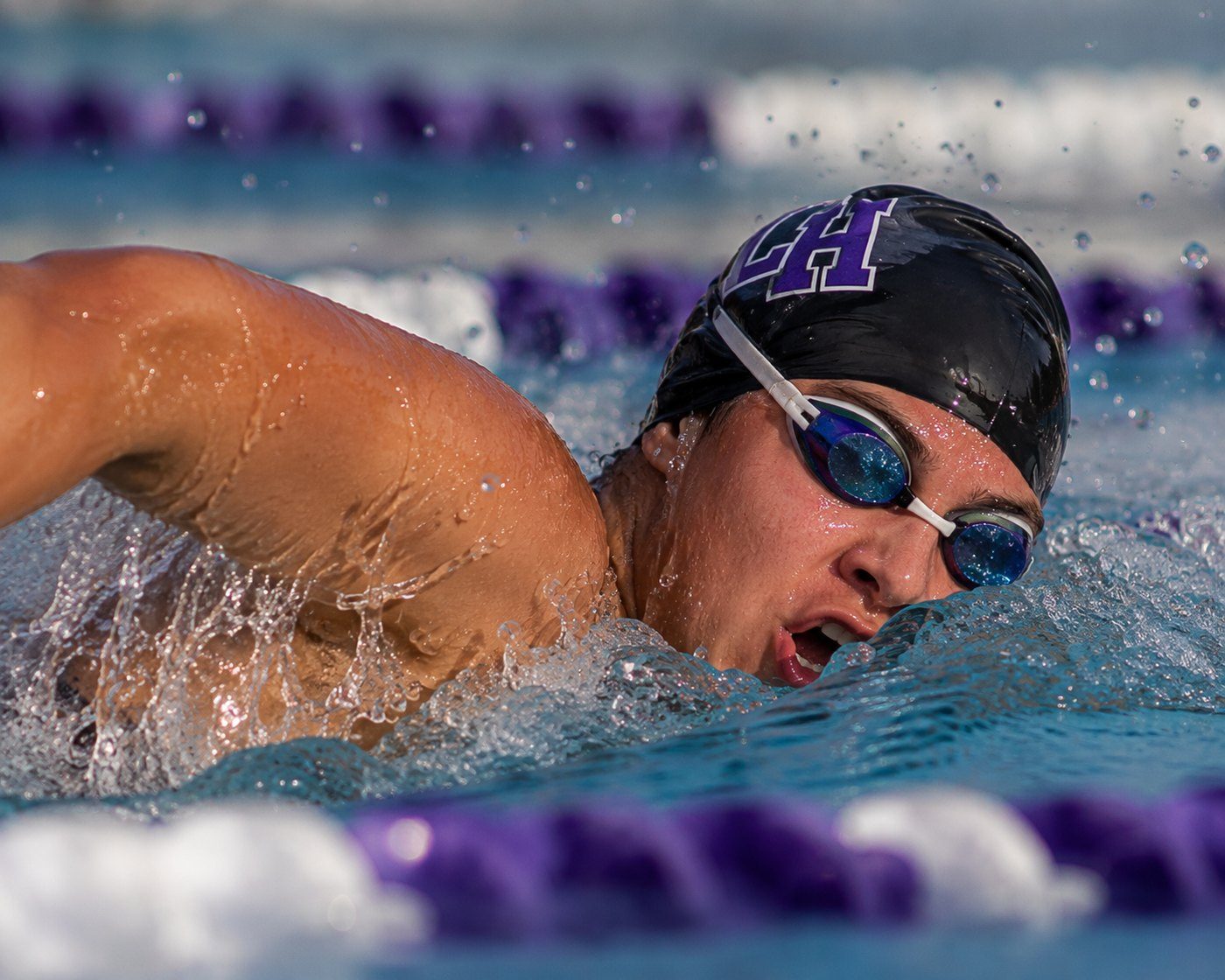
Care for school athletes, sideline injuries, parents who need answers and safe return-to-play decisions, including local Lake Havasu High School coverage.
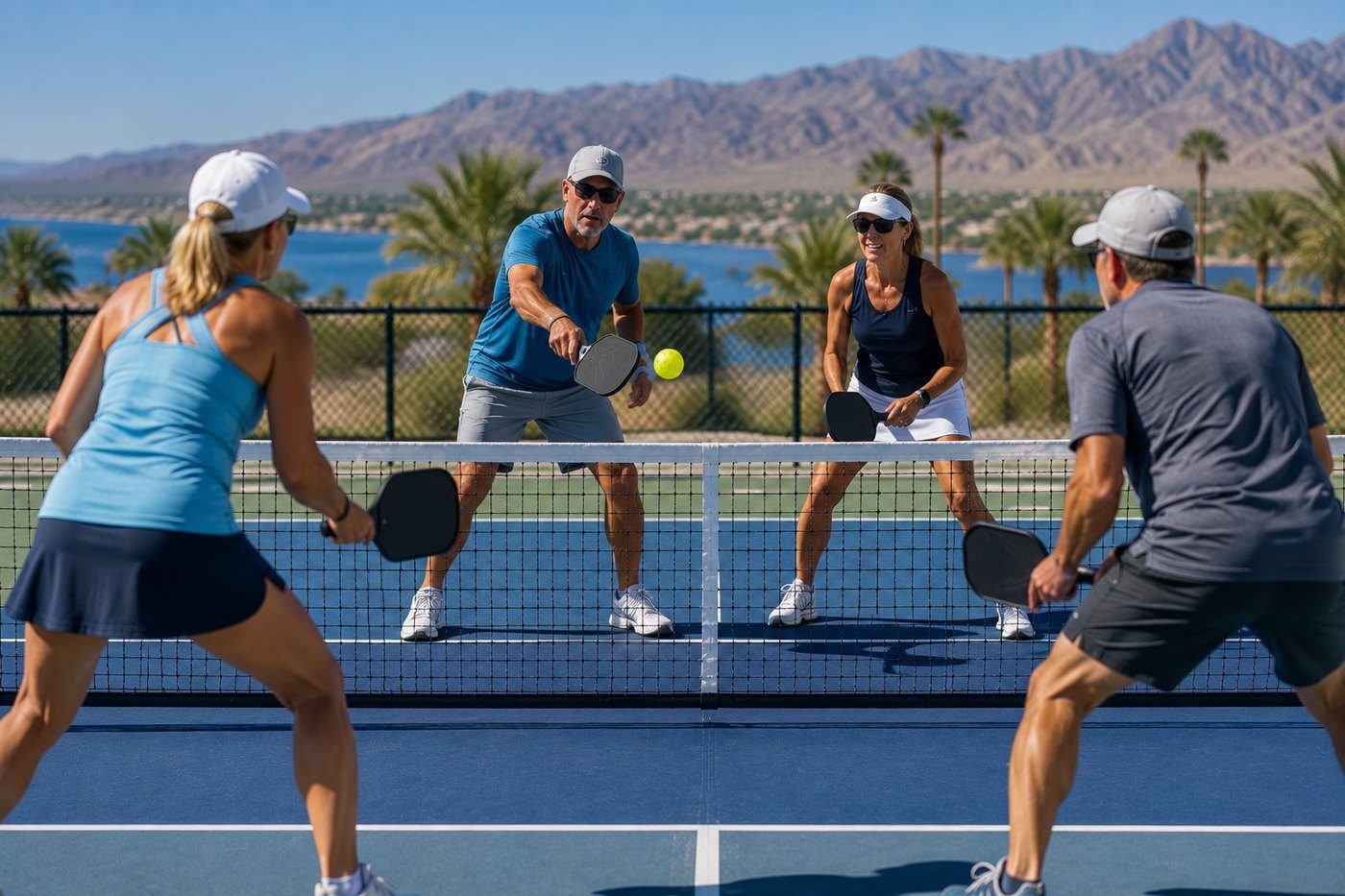
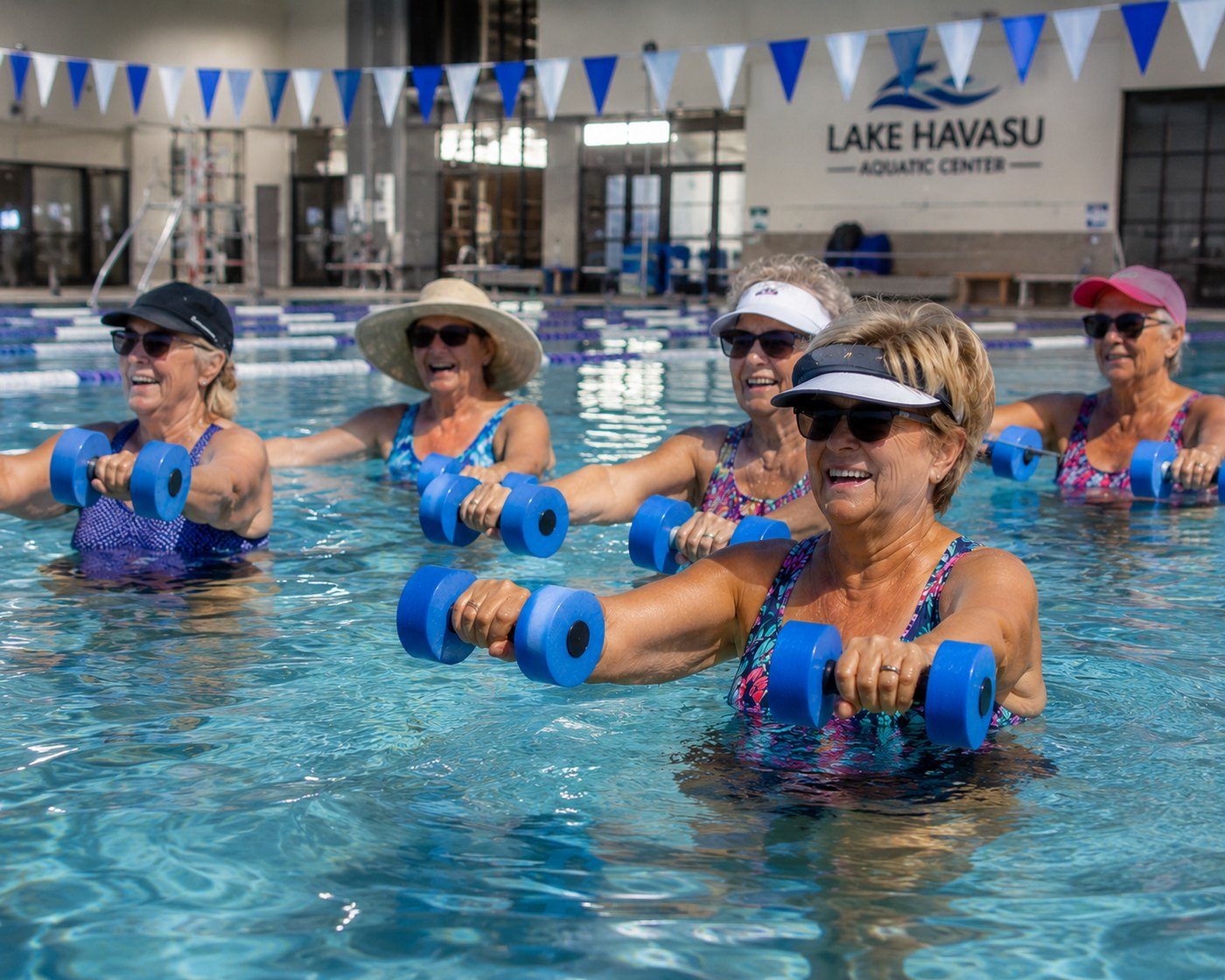
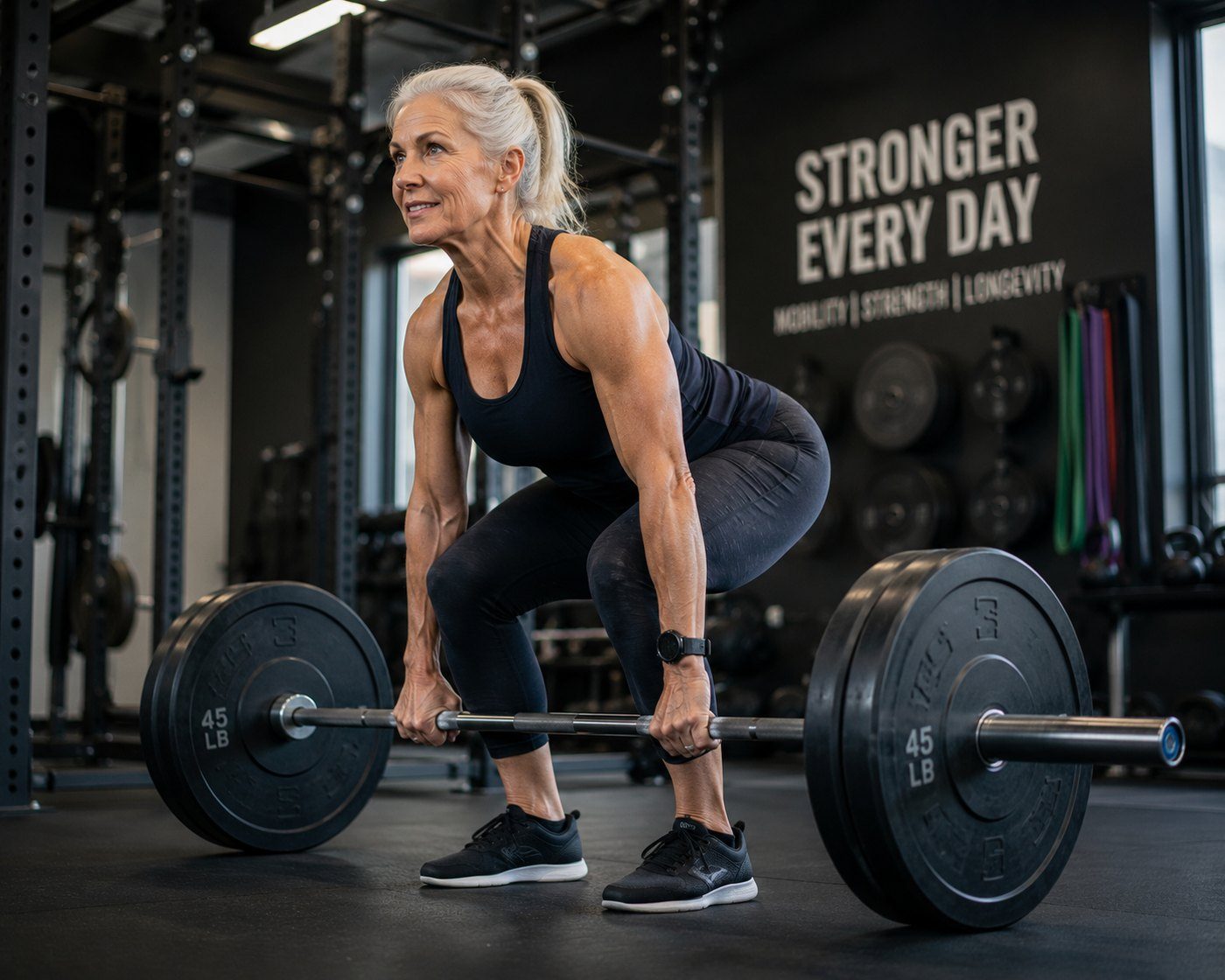
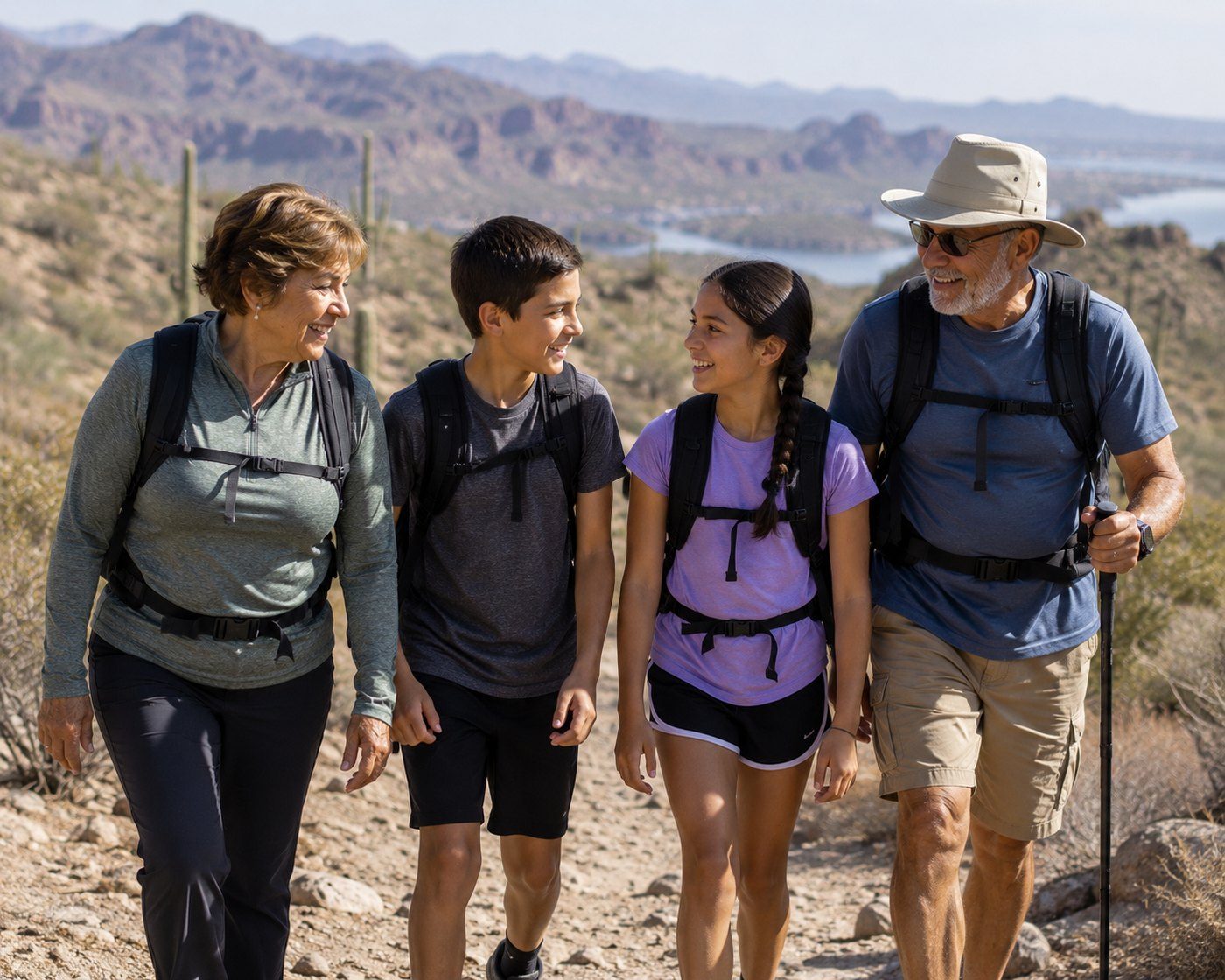
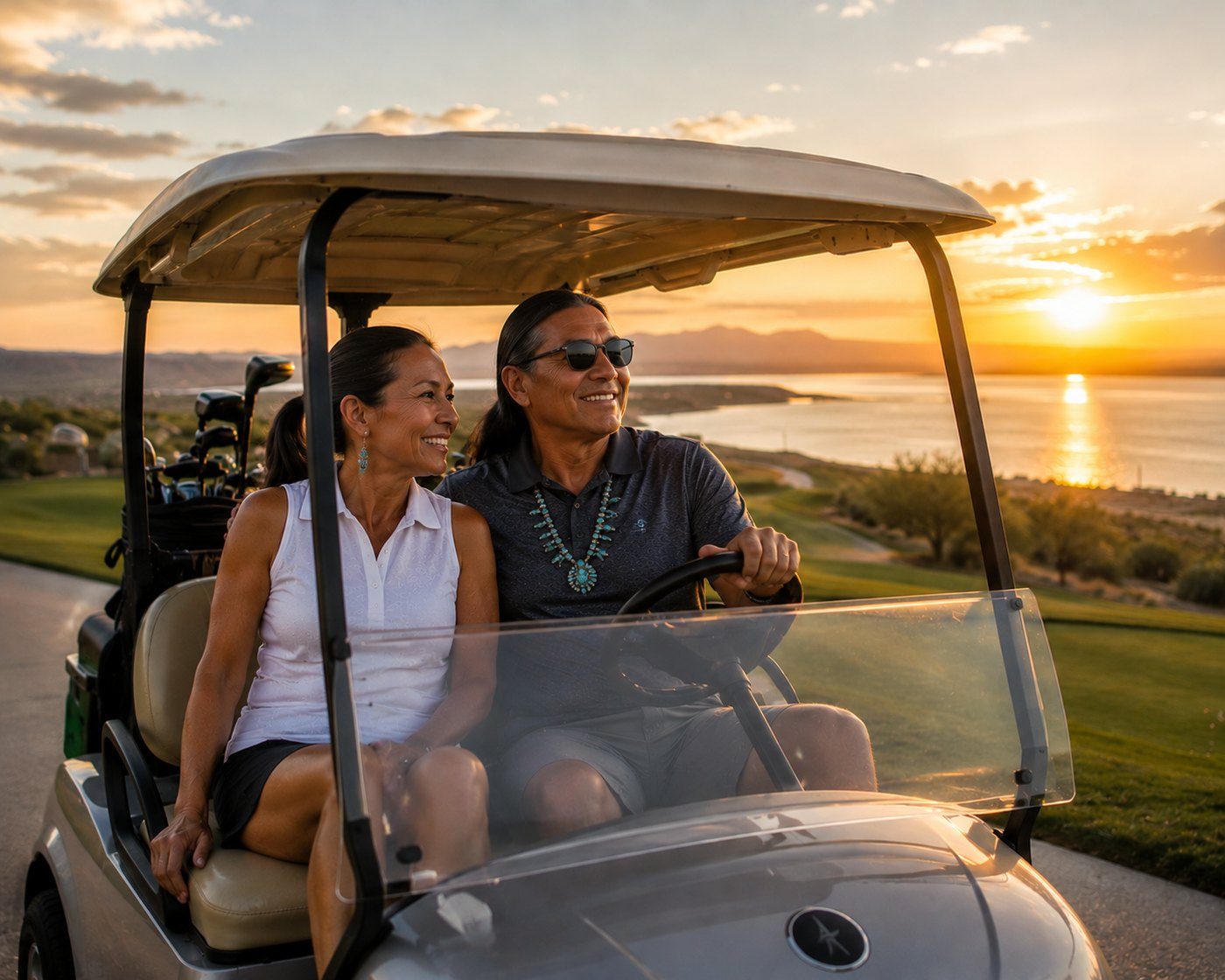
For people who want to stay strong, independent and active with practical nonoperative and surgical options when needed.
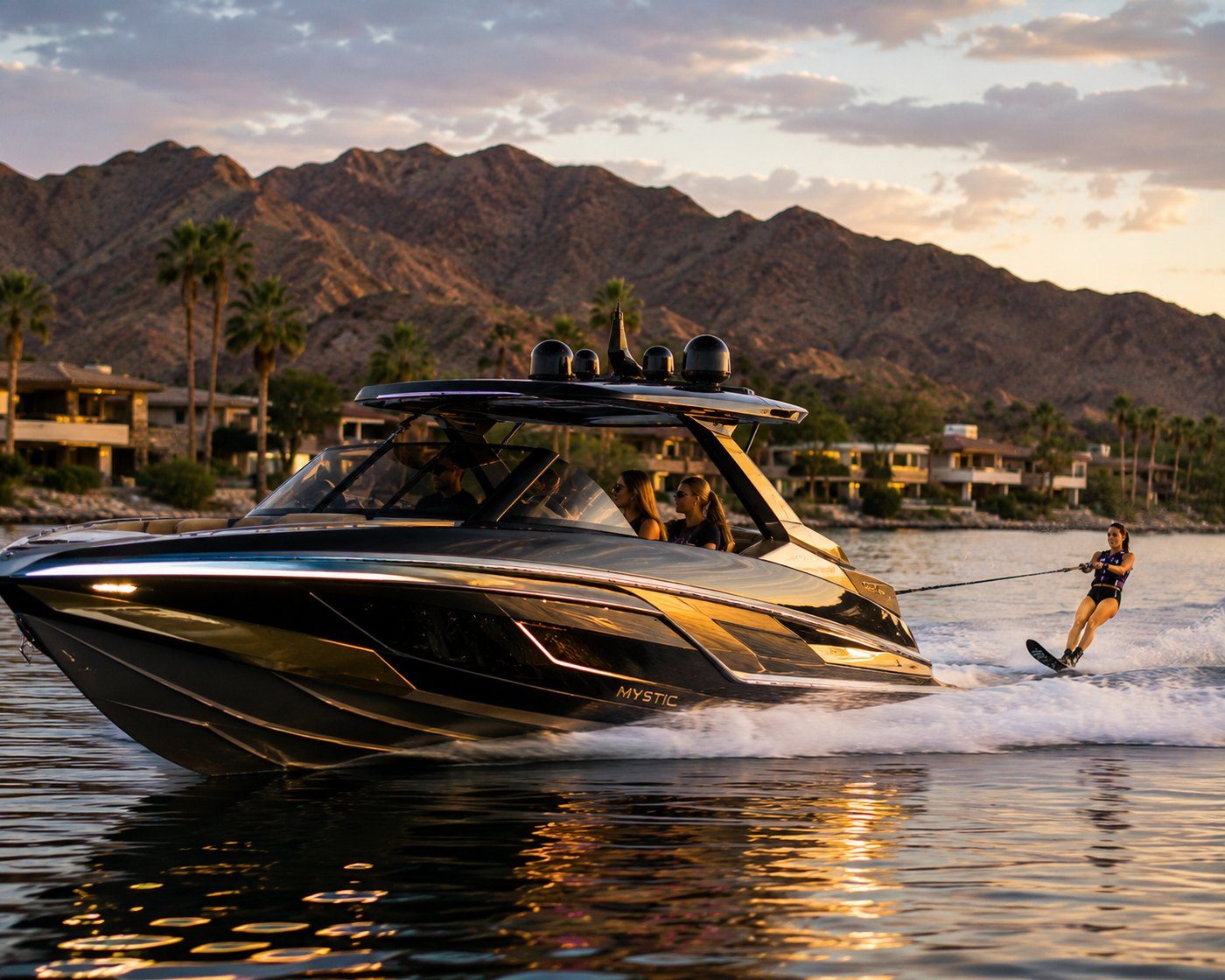
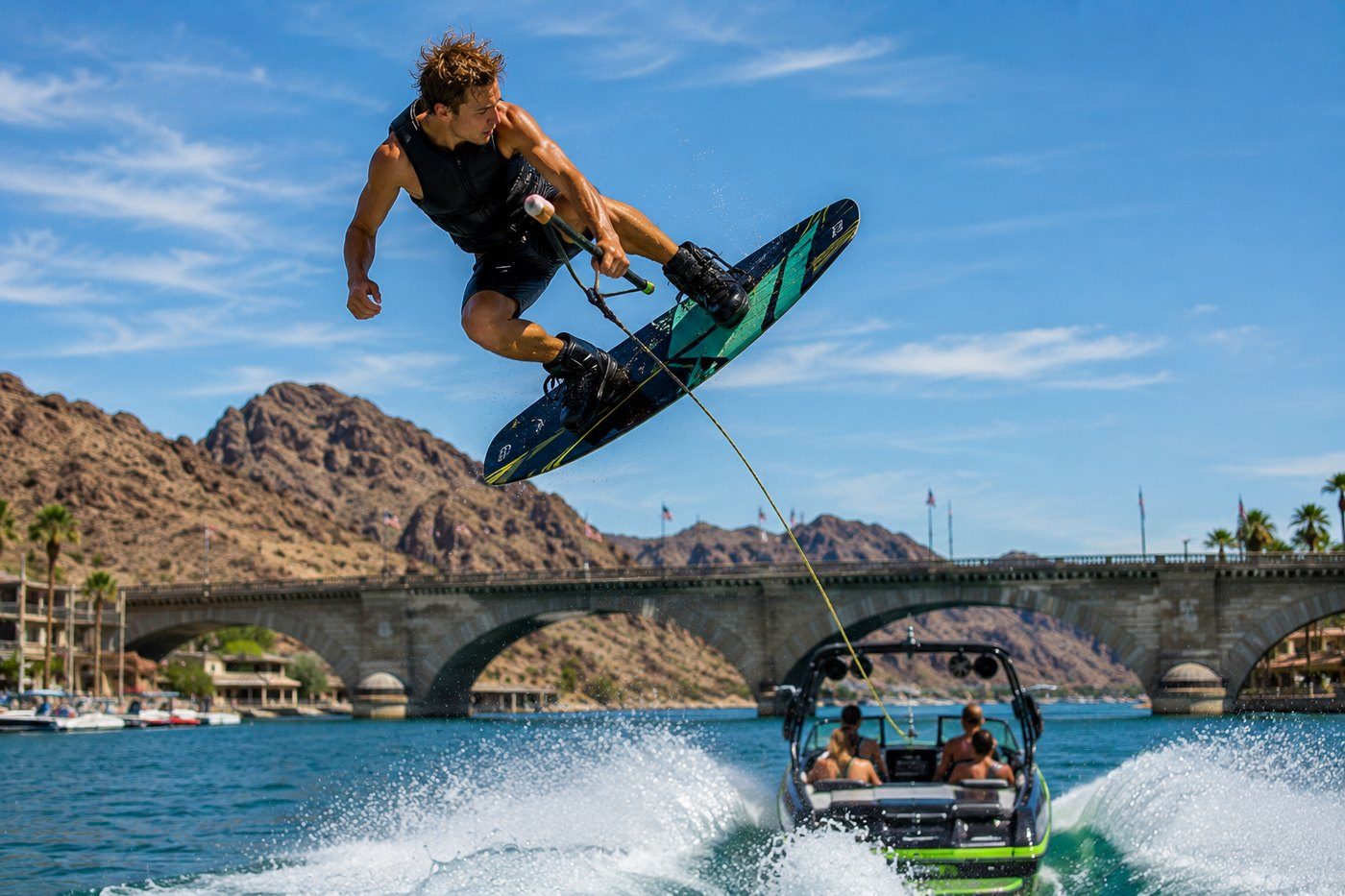
Lake injuries often involve the shoulder, knee, hand, wrist and sometimes higher-energy trauma.
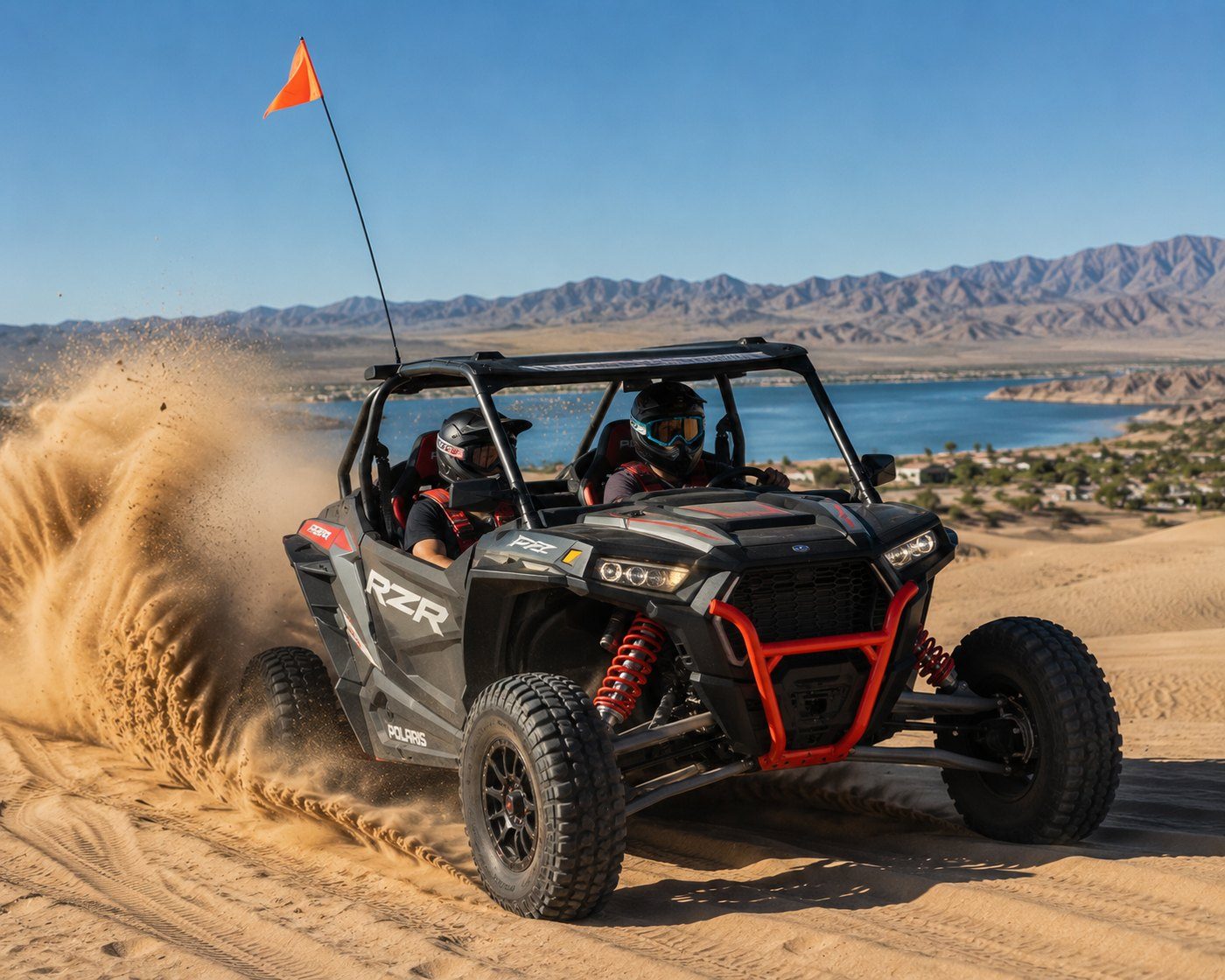
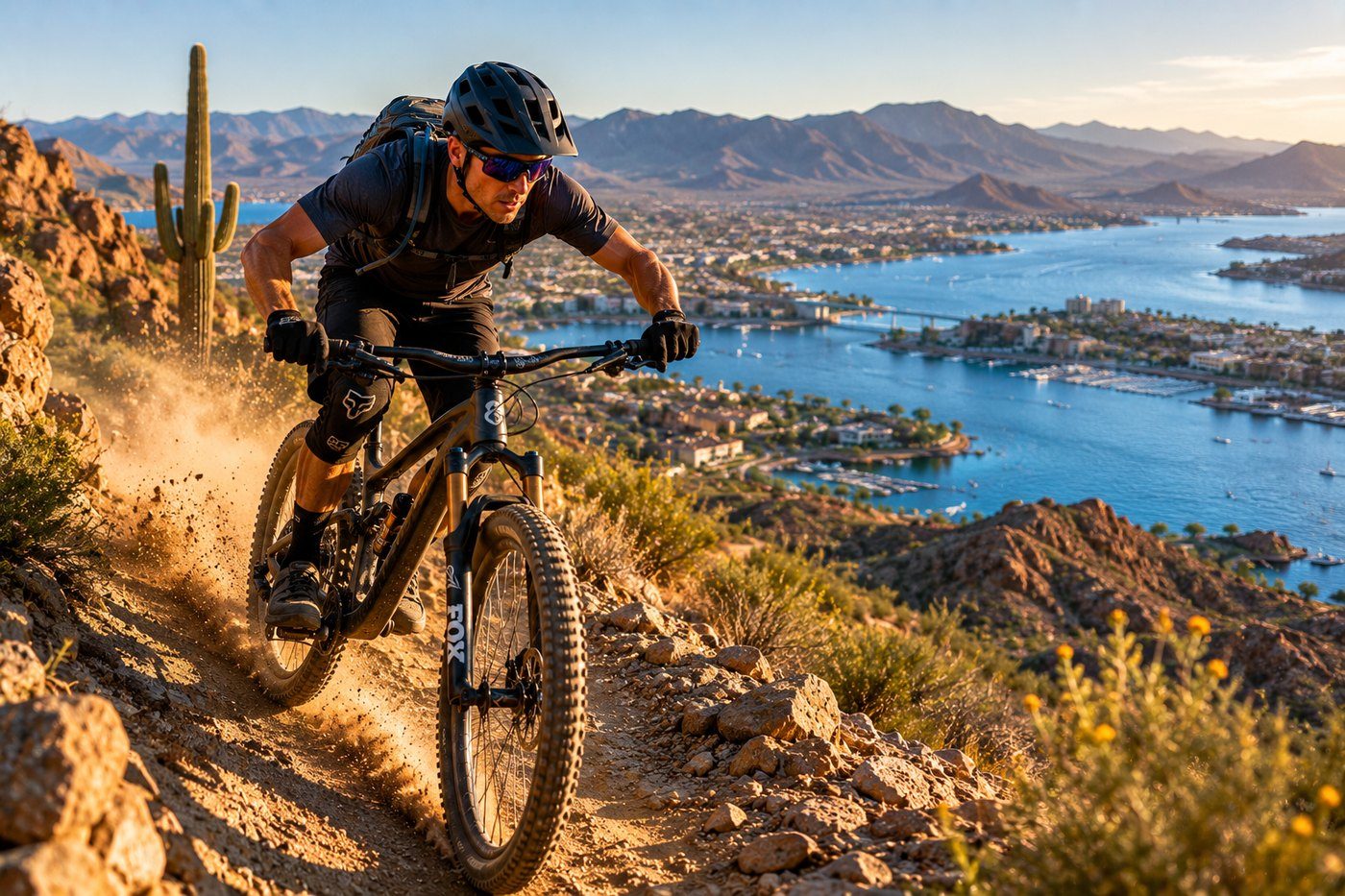
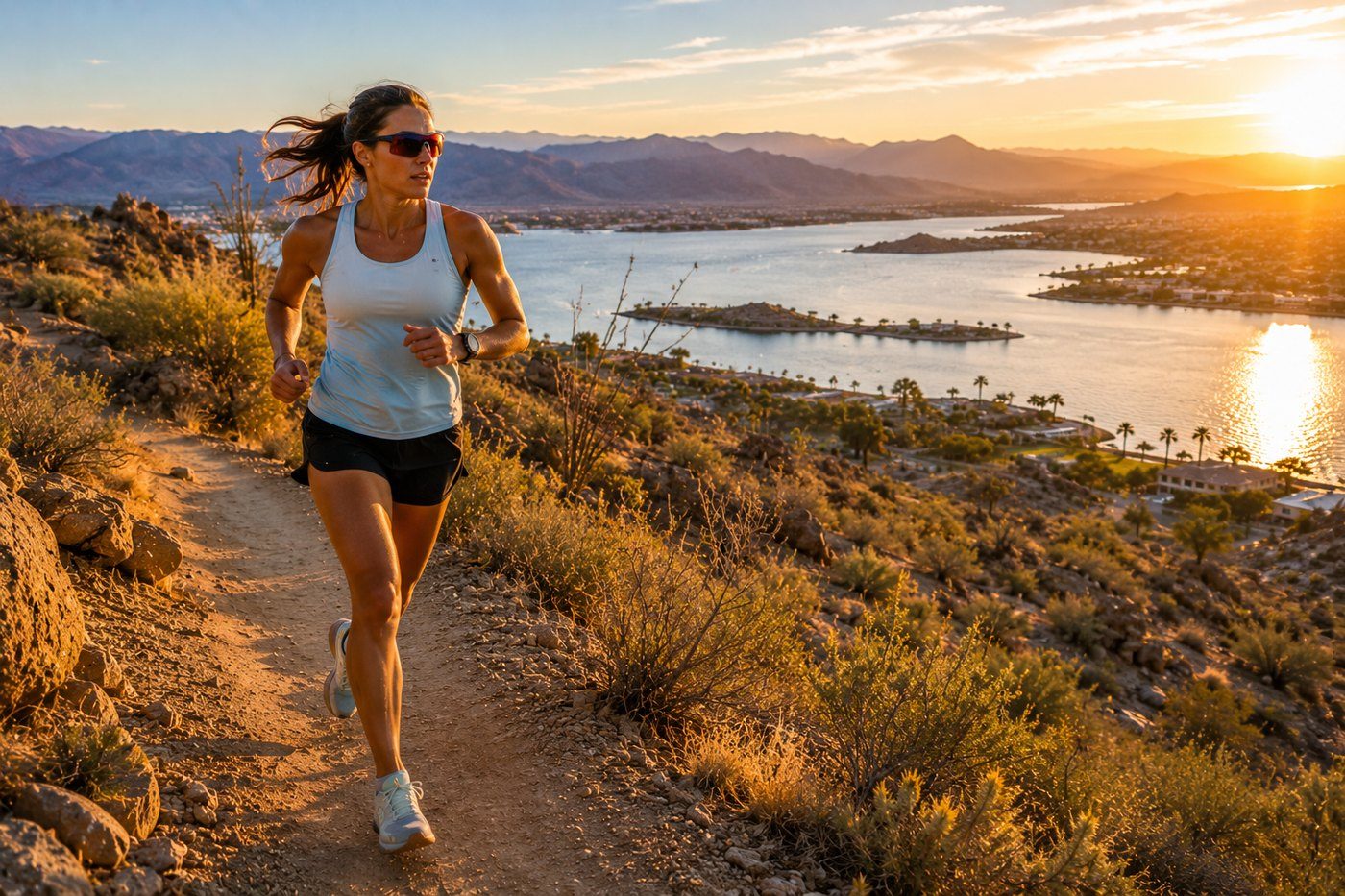
Care for injuries from trail running, hiking, mountain biking, off-road riding and desert recreation.
Sports Medicine care includes diagnosis, nonoperative treatment, injections when appropriate and surgery for selected injuries.
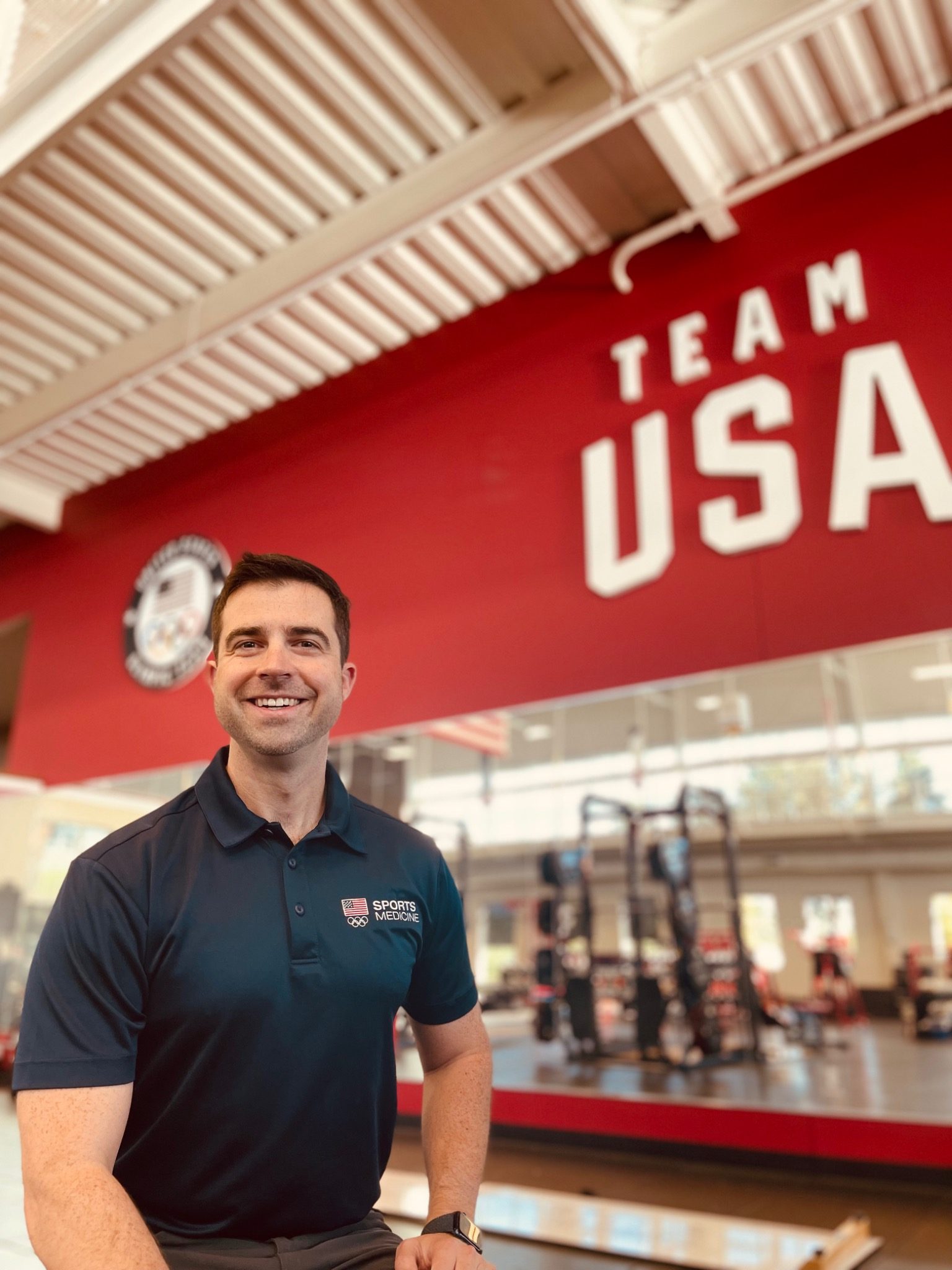
The best Sports Medicine care is not just about the procedure. It is about the full path back to sport, fitness, work and the activities that matter.
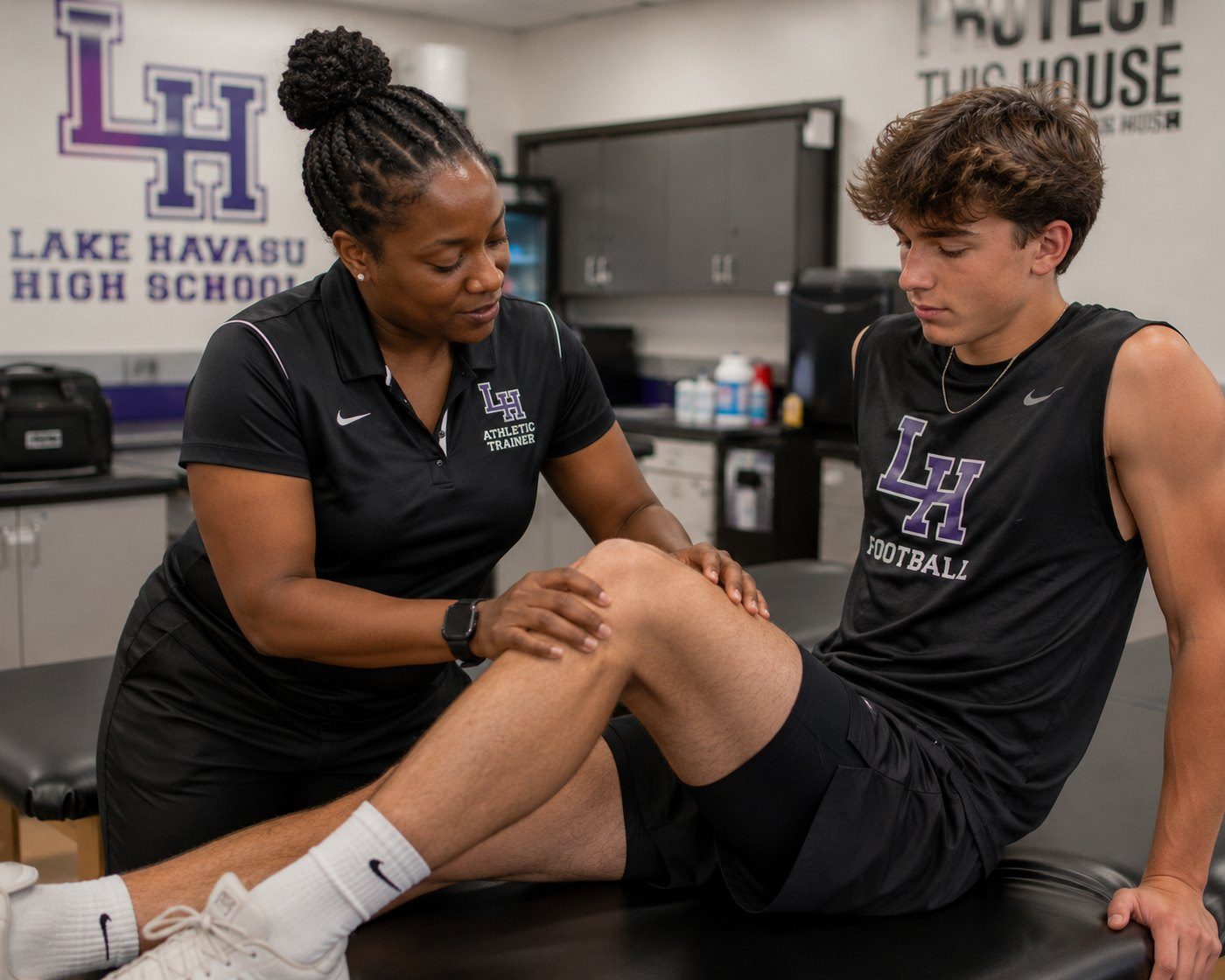
Start with a careful history, exam and imaging review so the plan matches the actual problem.
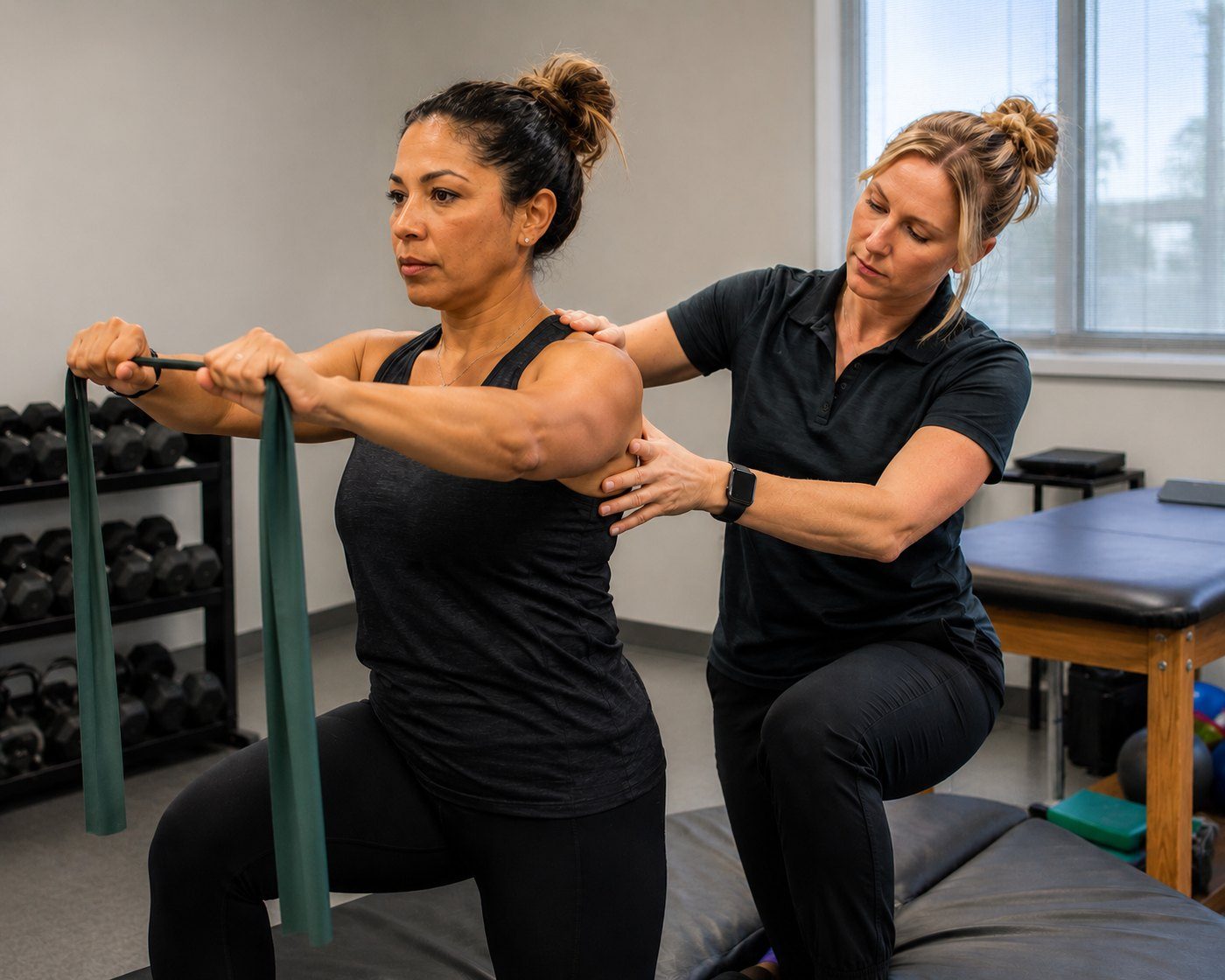
Physical therapy, bracing, medications, injections, orthobiologics or surgery are matched to the injury and goals.
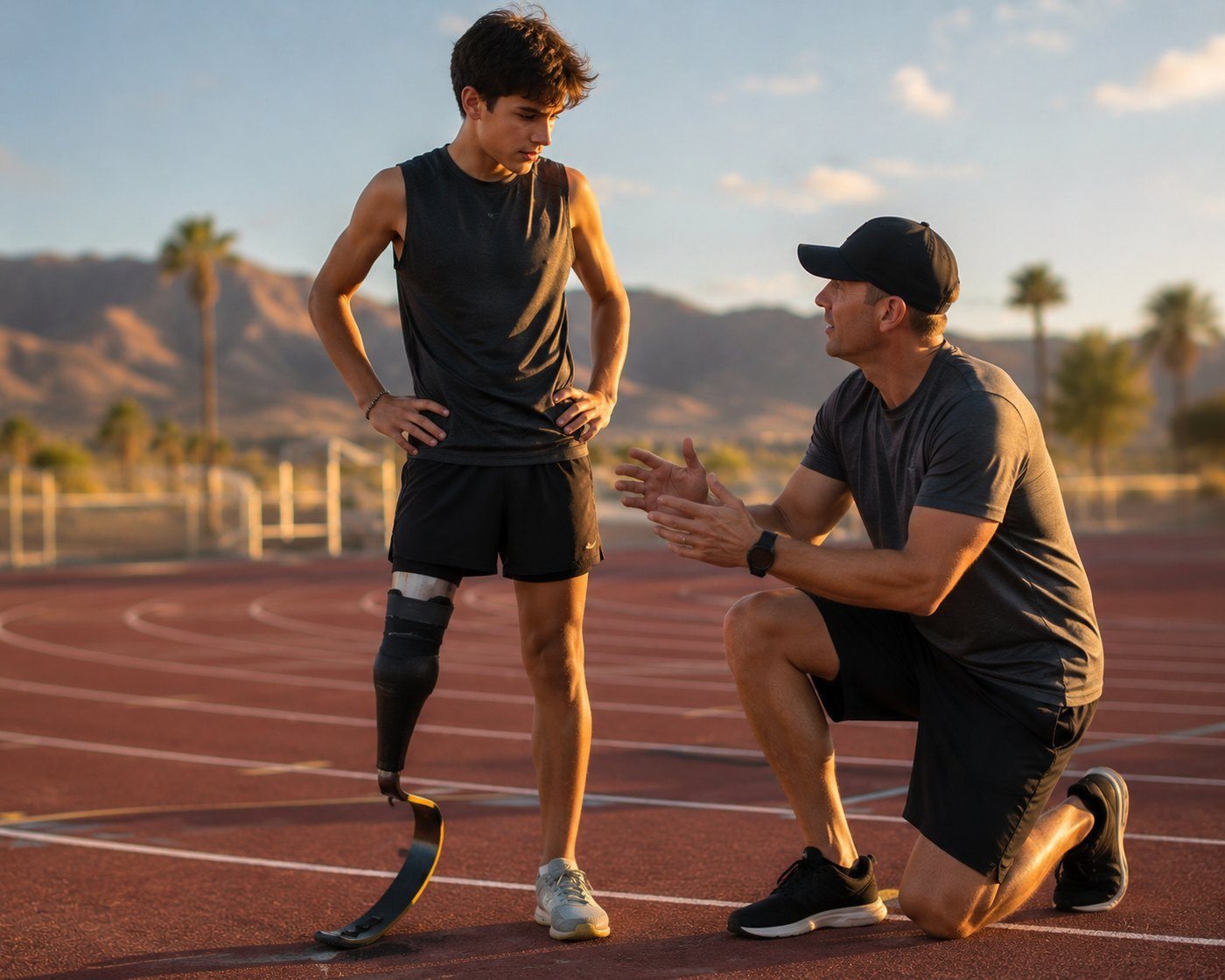
Return-to-activity decisions are based on healing, strength, motion, sport demands and risk of re-injury.
The right treatment depends on the diagnosis, imaging, activity goals and how much the injury is limiting your life.
History, examination and imaging review to identify the source of pain.
Physical therapy, bracing, activity modification and topical or oral NSAIDs when appropriate.
Cortisone or orthobiologics such as PRP or BMAC may be considered for selected patients.
Arthroscopy or tendon repair may be recommended when an injury is unlikely to heal or fails conservative care.
Surgery is not the first answer for every injury, but it can be the right answer for selected patients.
All surgery has risk, including pain, bleeding, infection, damage to surrounding tissues, need for additional procedures, bone failure, implant failure, soft-tissue failure, blood clot, heart attack, stroke and death. These risks are low, but they are not zero.
Common questions from athletes, active adults and parents.
Not necessarily. Many sports injuries improve with therapy, bracing, medications, injections or orthobiologics. Surgery is considered when an injury is unlikely to heal, remains limiting despite appropriate care or requires repair for function.
Sometimes. X-rays, exam findings and your symptoms guide whether advanced imaging is needed. MRI can be helpful for suspected meniscus tears, ACL tears, rotator cuff tears, labral injuries and some occult fractures or stress injuries.
Some soreness can be monitored, but instability, swelling, weakness, loss of motion, deformity, neurologic symptoms or inability to bear weight should be evaluated. Playing through the wrong injury can make the problem worse.
A strain usually refers to muscle or tendon injury. A tear means fibers have been disrupted. Tears can be partial or complete, and treatment depends on the location, severity and your goals.
PRP may be considered for selected tendon, ligament, cartilage and joint conditions. It is not the right choice for every injury, and many insurance plans do not cover orthobiologic treatments. Learn more on the Orthobiologics page.
Return-to-play depends on healing, pain control, strength, motion, balance, sport-specific function and the risk of re-injury. The timeline is individualized.
Common problems include tennis elbow, shoulder pain, Achilles tendonitis, calf strains, meniscus flares, knee arthritis symptoms and falls that can cause wrist or shoulder injuries.
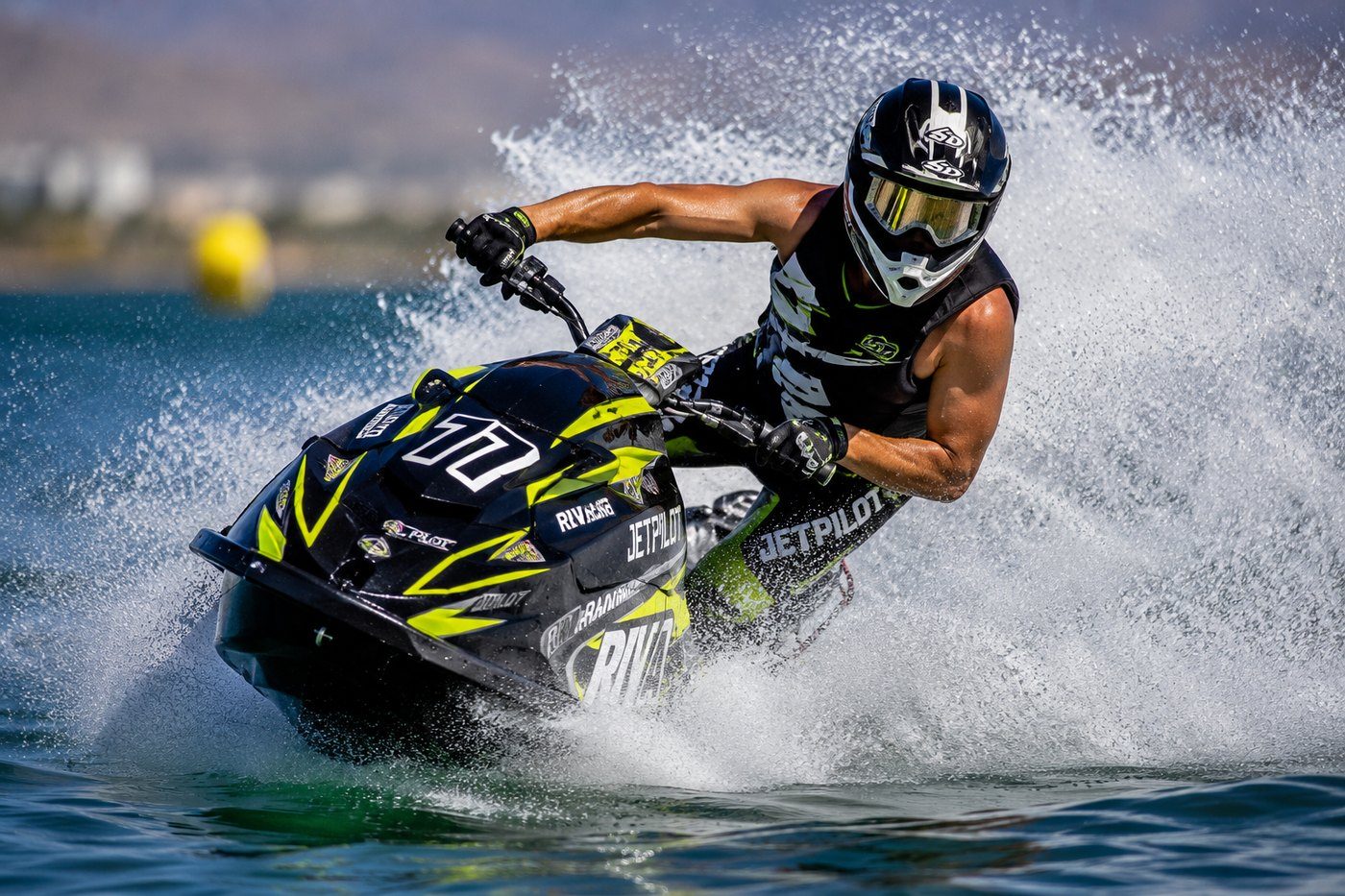
Wakeboarding, waterskiing and PWC injuries can involve shoulder dislocations, labral tears, rotator cuff injuries, AC separations, knee ligament injuries, hand injuries and fractures.
Common injuries include clavicle fractures, shoulder separations, wrist fractures, ankle injuries, ACL tears, meniscus tears and higher-energy trauma after falls or crashes.
Start with a focused Sports Medicine evaluation and a plan matched to your sport, lifestyle and goals.